
For many entrepreneurs, selling on Amazon represents an incredible opportunity to build a global business. The platform provides access to hundreds of millions of customers, world-class logistics, and a trusted shopping experience.
But behind the success stories lies a growing challenge that every seller is facing today.
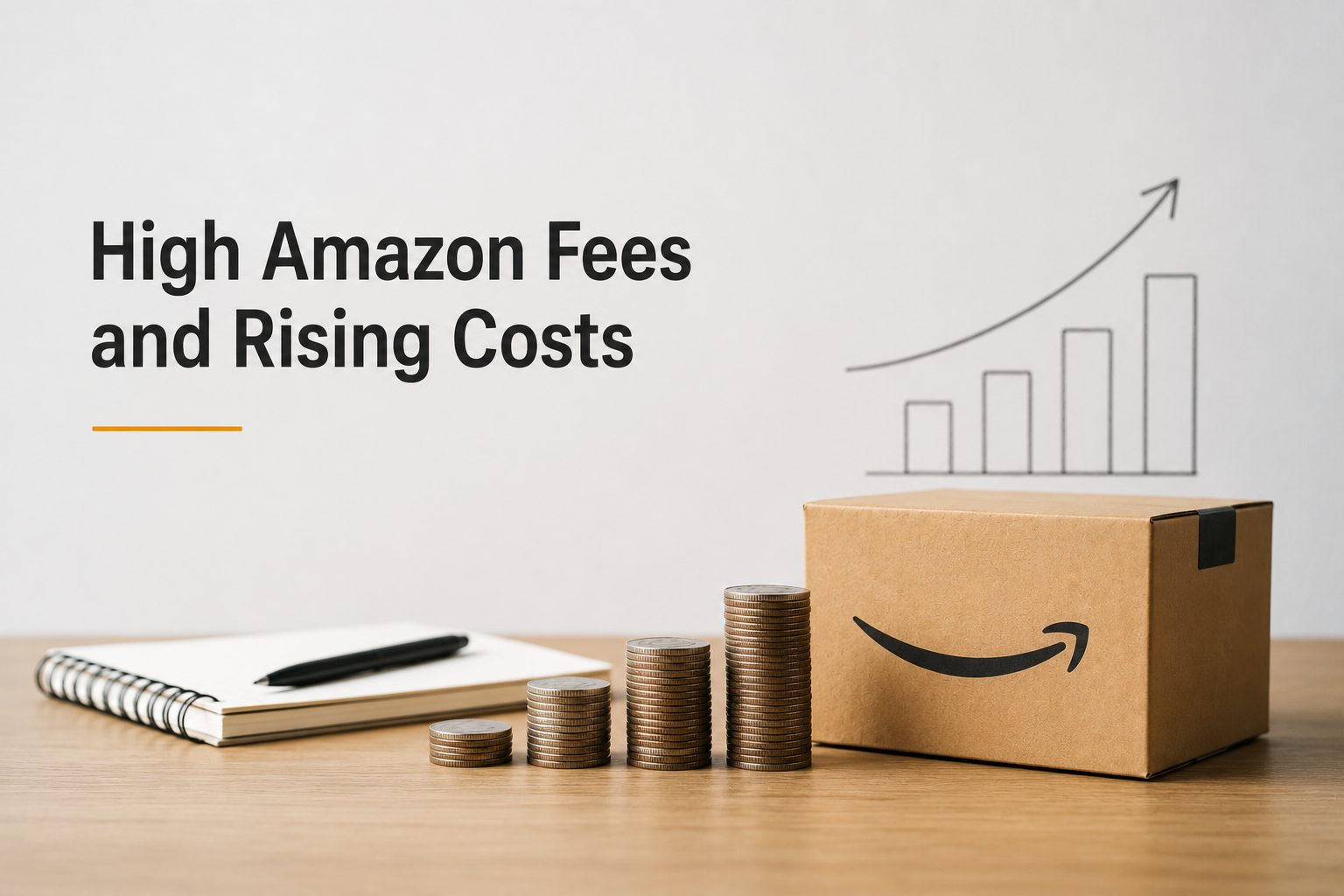
High Amazon fees and rising operating costs are quietly eroding profitability.
Many sellers are generating more revenue than ever before, yet their profits continue to shrink. In some cases, businesses that appear successful on the surface are barely breaking even.
The New Reality of Selling on Amazon
A few years ago, it was possible to build a highly profitable Amazon business with relatively low operational costs. Today, the landscape has changed dramatically.
Amazon has introduced new fees, increased existing charges, and created additional costs related to storage, returns, and advertising. At the same time, inflation and supply chain disruptions have increased the cost of doing business globally.
As a result, sellers are being squeezed from both sides:
- Rising operational expenses.
- Increasing competitive pressure on prices.
The combination can significantly reduce profitability.
Understanding the Major Costs of Selling on Amazon
1. Referral Fees
Amazon charges a referral fee for every product sold on the platform. Depending on the category, these fees can range from approximately 8% to 15% of the selling price.
While this fee may appear manageable, it can become substantial when combined with other expenses.
2. Fulfillment by Amazon (FBA) Fees
Many sellers rely on Amazon’s fulfillment network because it provides faster shipping and access to Prime customers.
However, FBA costs continue to rise due to:
- Storage expenses.
- Fulfillment charges.
- Packaging and handling fees.
- Long-term inventory storage charges.
For products with lower margins, even small fee increases can significantly impact profitability.
3. Advertising Costs
Advertising has become almost mandatory for sellers.
In highly competitive categories, organic rankings are difficult to achieve without investing in pay-per-click advertising.
As more sellers compete for the same keywords:
- Cost per click increases.
- Advertising budgets grow larger.
- Profit margins become thinner.
Many sellers are spending thousands of dollars every month simply to maintain their market position.
4. Storage and Aged Inventory Fees
Inventory that remains in Amazon warehouses for long periods can become extremely expensive.
Excess inventory creates multiple problems:
- Increased storage charges.
- Long-term storage penalties.
- Reduced cash flow.
- Higher risk of liquidation or disposal fees.
Poor inventory planning can quickly transform a profitable product into an unprofitable one.
5. Return Processing Costs
Customer expectations on Amazon continue to rise.
Returns are often viewed as part of the cost of doing business, but many sellers underestimate their impact.
Returns can result in:
- Lost inventory value.
- Additional shipping expenses.
- Repackaging costs.
- Unsellable products.
- Increased operational complexity.
For certain categories, returns can become one of the largest hidden expenses.
Why Rising Costs Are More Dangerous Than Falling Sales
Most business owners immediately notice declining sales.
However, rising costs are often more dangerous because they happen gradually.
A seller may experience:
- Strong sales growth.
- Higher order volume.
- Increased revenue.
Yet at the end of the month, profits remain stagnant or even decline.
This creates the illusion of business growth while profitability quietly deteriorates.
Revenue is important.
Profit is essential.
Cash flow is everything.
The Hidden Cost of Poor Financial Management
Many Amazon sellers focus heavily on finding products and increasing sales but spend very little time understanding their numbers.
Common mistakes include:
- Ignoring profit margins.
- Underestimating advertising expenses.
- Ordering too much inventory.
- Failing to calculate total landed costs.
- Not monitoring fee changes regularly.
Successful sellers treat their business like a financial operation, not simply a sales operation.
How Successful Sellers Protect Their Margins
Focus on High-Margin Products
Products with healthy margins provide protection against fee increases and unexpected expenses.
Negotiate Better Supplier Pricing
Even small improvements in product costs can significantly improve profitability.
Improve Inventory Forecasting
Maintaining optimal inventory levels helps avoid excessive storage charges and stockouts.
Monitor Profitability at the ASIN Level
Every product should be evaluated individually. High sales volume does not necessarily mean high profits.
Reduce Advertising Waste
Regularly optimizing advertising campaigns can improve efficiency and lower customer acquisition costs.
Build Operational Efficiency
Automation, better processes, and accurate forecasting help sellers maintain profitability even as costs increase.
The Future of Amazon Selling
The era of easy profits on Amazon is over.
The marketplace is becoming increasingly sophisticated and competitive. Fee structures will continue to evolve, advertising costs are likely to increase, and operational efficiency will become a major competitive advantage.
The sellers who succeed in the future will not necessarily be those who generate the highest sales.
They will be the sellers who:
- Understand their numbers.
- Protect their margins.
- Manage cash flow effectively.
- Operate with financial discipline.
- Build resilient and efficient businesses.
Final Thoughts
High Amazon fees and rising costs are the silent profit killers of modern e-commerce.
Many sellers fail not because they cannot generate sales, but because they cannot maintain profitability.
In today’s Amazon marketplace, success is no longer measured by revenue alone.
The true measure of success is the ability to build a business that remains profitable, sustainable, and resilient despite rising costs and constant change.